Skip to content



In a world where the home is an extension of one’s personal style, interior design has become more than just a way to adorn a dwelling; it is an artistic expression that reflects an individual’s taste and lifestyle. From minimalist to opulent themes, there are a myriad of interior design styles to suit every aesthetic preference. In this article, we explore five distinct interior design styles – Japandi, Art Deco, Wabi-Sabi, Country Chic and Modern – each with their unique characteristics and design elements.
Japandi
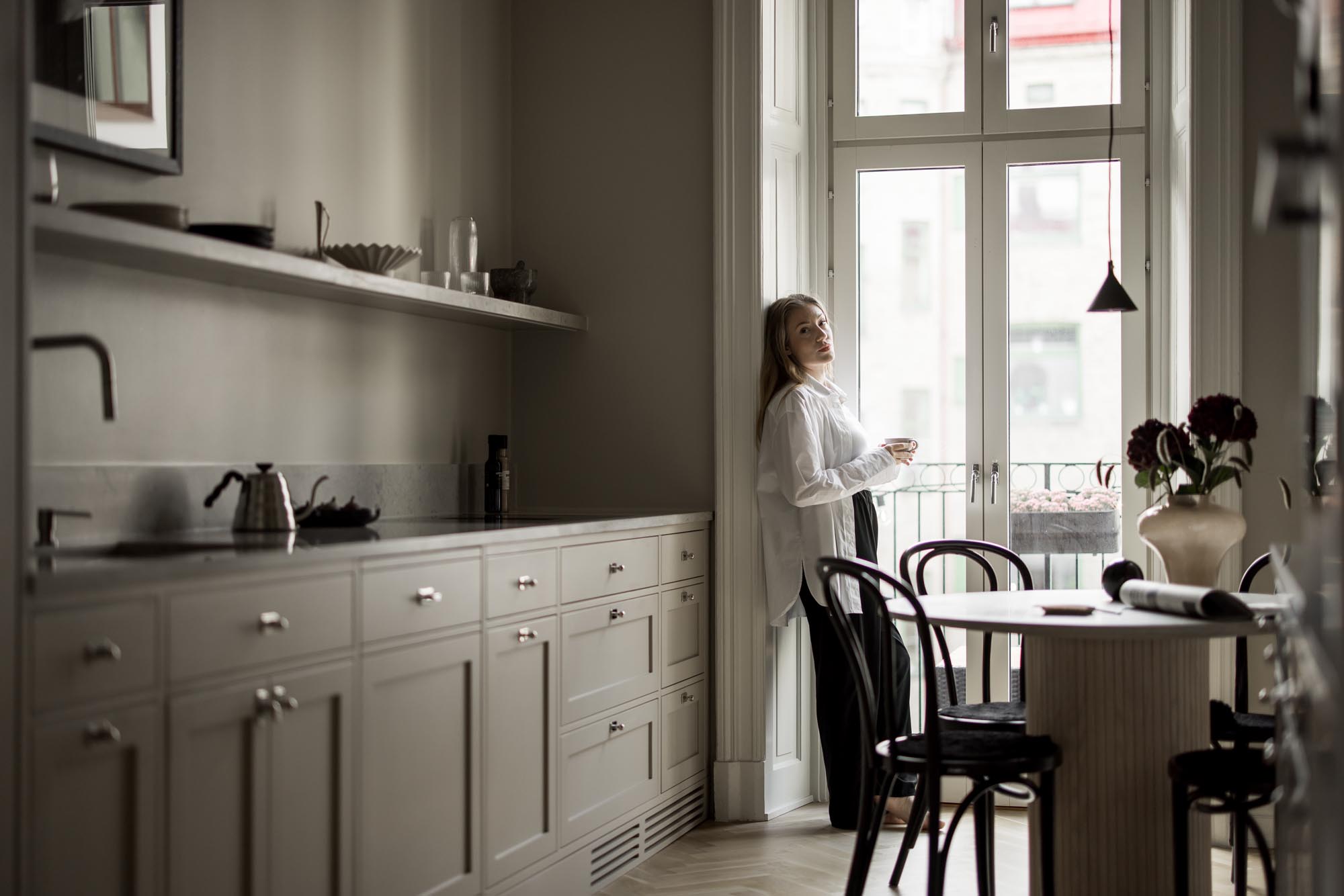
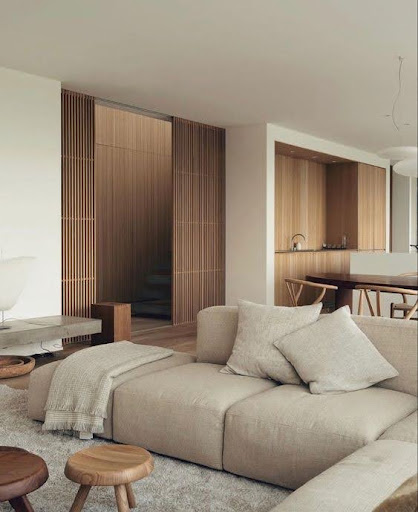
Japandi is an interior design style that is a fusion between Japanese and Scandinavian design. The name “Japandi” is a combination of the words “Japan” and “Scandinavia”. This design style combines the minimalist and functional aspects of Scandinavian design with the calm, harmonious and natural aesthetics of Japanese design. The result is a unique and elegant interior that combines the best of both worlds.
As in Scandinavian and Japanese design, minimalism is a cornerstone of the Japandi style. The simplicity of the design creates a calm and organized space.
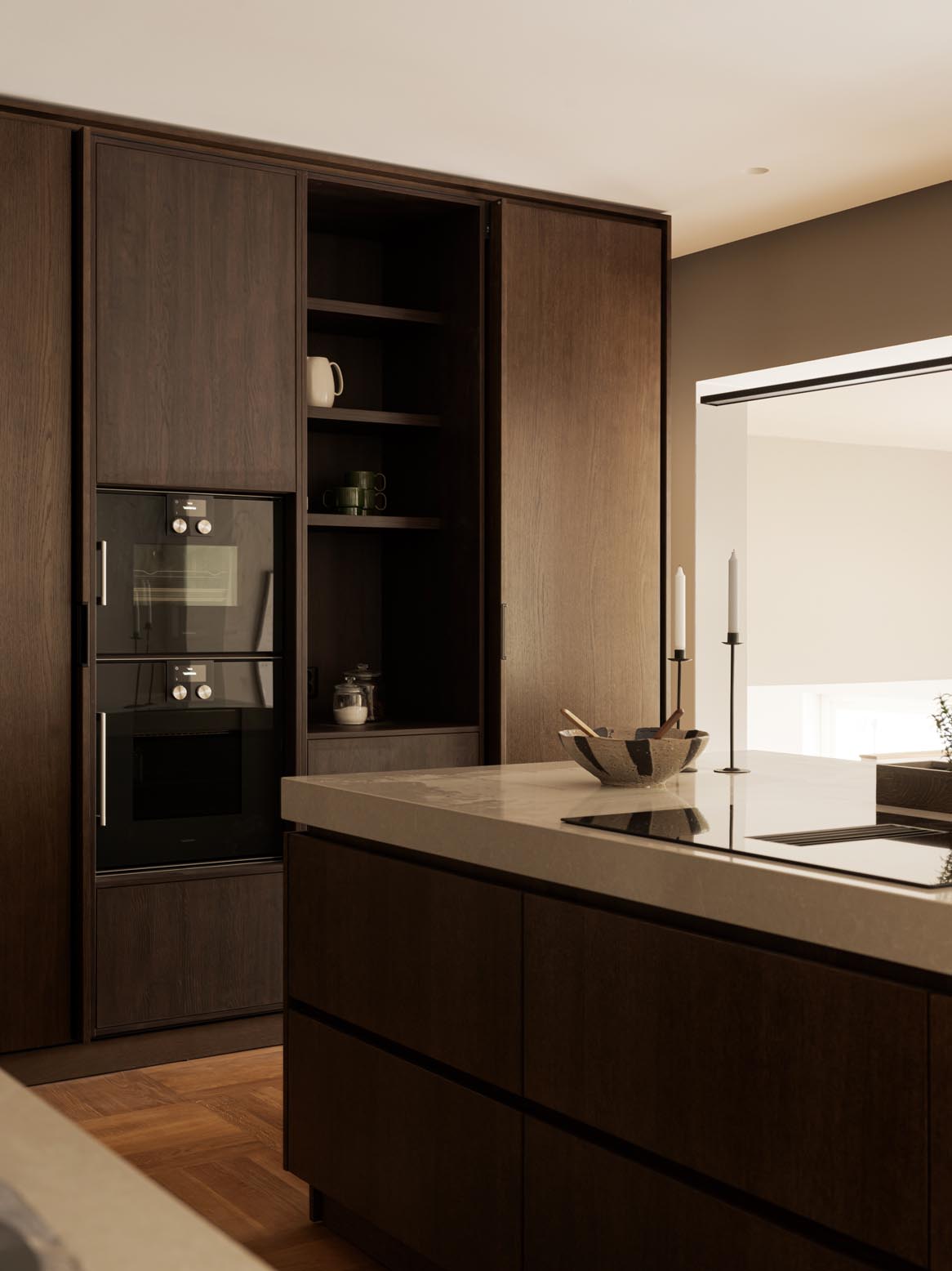
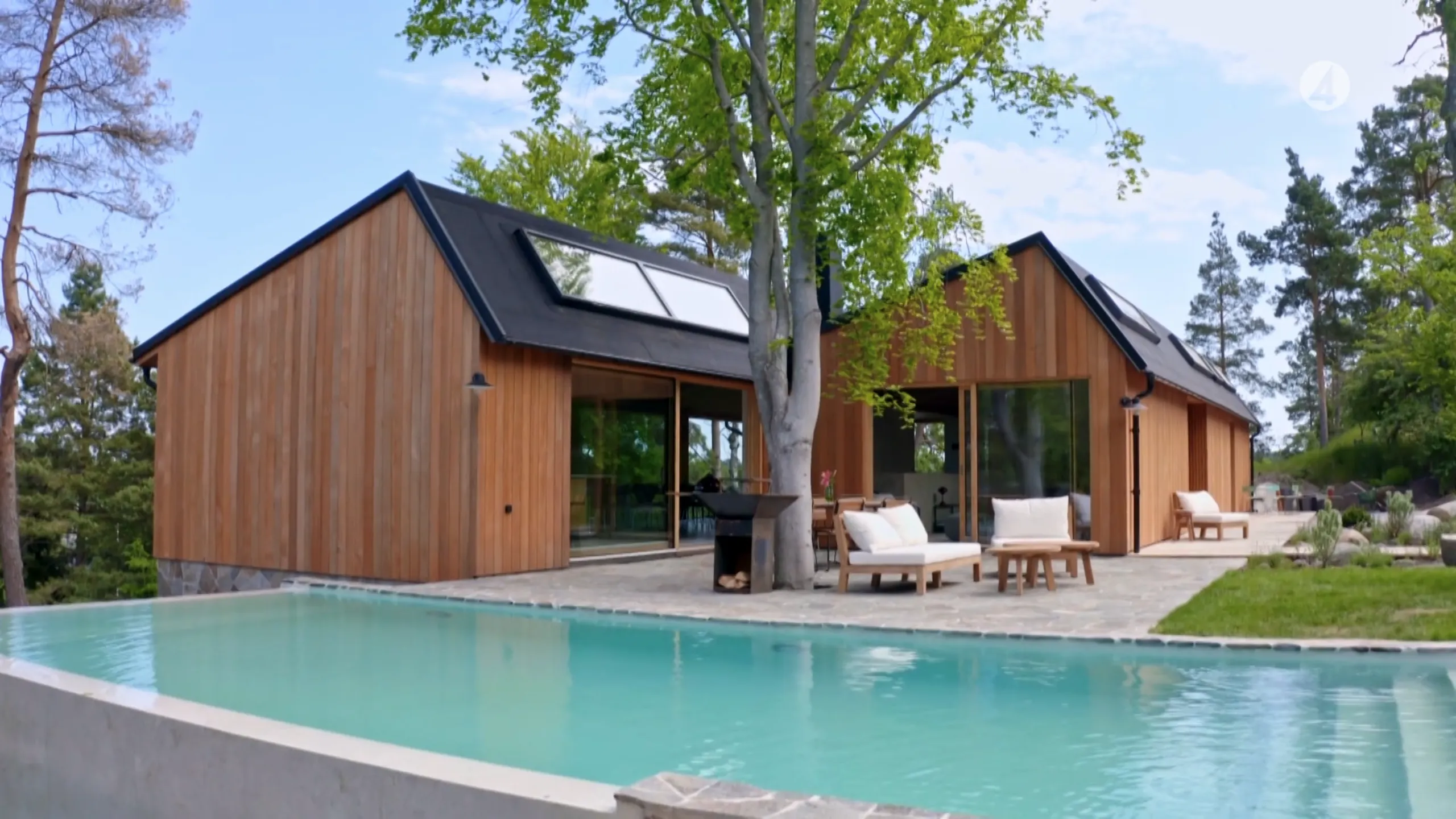
Japandi uses natural materials such as wood, stone and textiles to create a sense of closeness to nature. Wood is particularly important and can be used in furniture, flooring and details.
The color palette is neutral and consists of muted and earthy tones such as gray, beige, white and black. These colors contribute to a sense of calm and harmony. Functional design is a core principle of both Scandinavian and Japanese design. Furniture and objects are chosen with care to combine beauty with practicality.
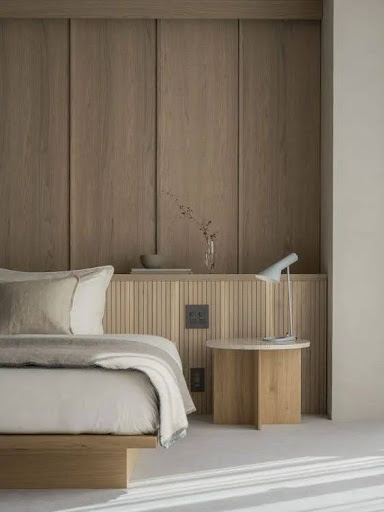
The lines are clean and simple, without superfluous details. This gives a clean and airy feel to the space.
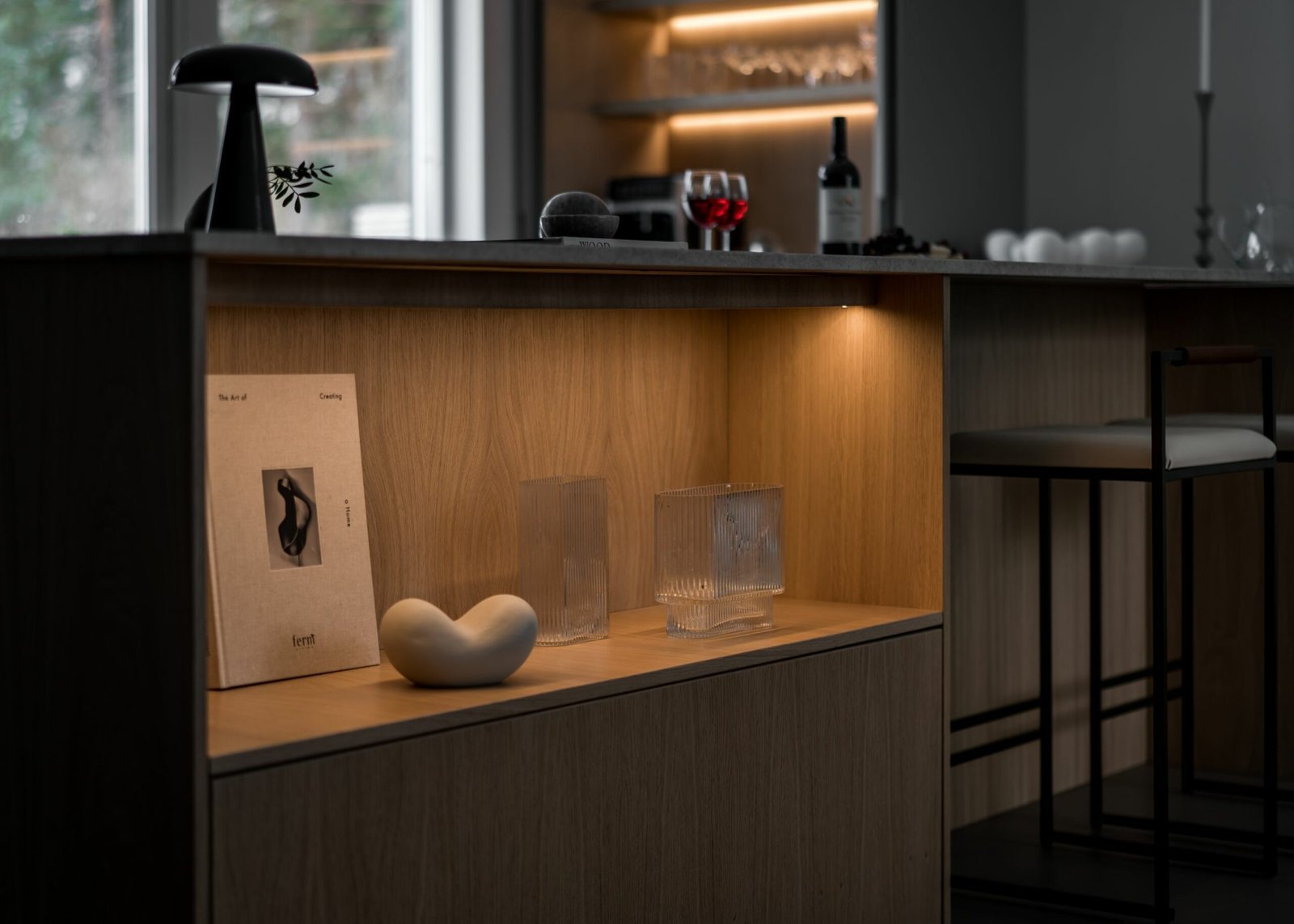
The Japandi style aims to integrate nature indoors. This can be done through large windows that let in natural light, indoor plants and nature-inspired decorations. Just like in Japanese design, balance and symmetry are emphasized in Japandi. This creates a sense of harmony and tranquility in the interior. Including handmade objects, ceramics and textiles adds a personal touch to the interior and enhances the organic feel.
Art Deco
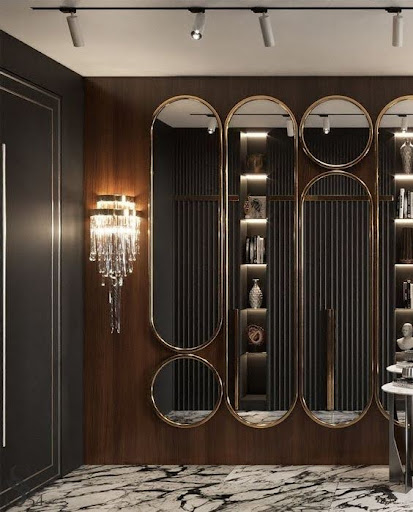
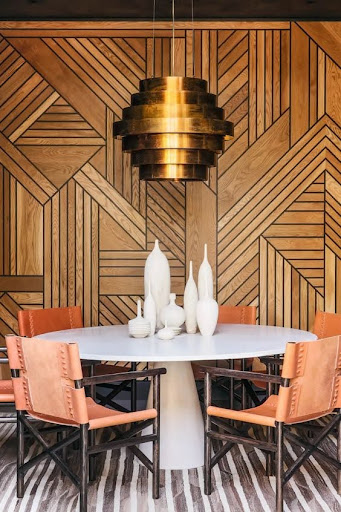
Art Deco is a distinctive style of interior design that had its heyday in the 1920s and 1930s. This style is characterized by its decadent and glamorous aesthetic, with influences from different art forms and cultures. Art Deco has a unique ability to combine geometric patterns, luxurious materials and artistic details.
Symmetry is an important aspect of Art Deco design. Balanced arrangements of furniture and decorative elements create a visual harmony. The style is characterized by decorative details such as sculptures, reliefs, inlay and intarsia work. Bold, abstract patterns and figures such as anthropomorphic (human-like) and zoomorphic (animal-like) figures can be found in the decor.
Despite its decadent and glamorous style, Art Deco has its roots in modernism and functionalism. It is a combination of extravagance and practicality. Art Deco chandeliers, wall lights and other lighting fixtures can be designed with geometric patterns and often with opal or colored glass.
Furniture in the Art Deco style tends to be symmetrical and balanced. Furniture is often elegant and may have mirror finishes or inlay.
Wabi-Sabi
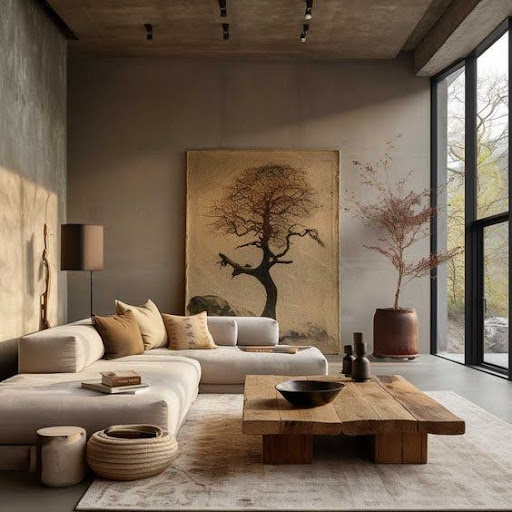
Wabi-Sabi is a traditional Japanese philosophy and aesthetic that has influenced many aspects of Japanese culture, including interior design. This aesthetic focuses on the beauty of the simple, imperfect and natural. Wabi-Sabi values what is authentic, aged and harmonious with nature, rather than what is perfect and symmetrical.
Wabi-Sabi emphasizes the use of natural materials such as wood, stone, bamboo and linen. These materials provide a sense of authenticity and a connection with nature.
Instead of striving for novelty and perfection, Wabi-Sabi values the aging and patina that comes with time. Furniture and objects that bear traces of use and aging are considered to have a depth and history that enriches the interior.
Wabi-Sabi often incorporates simplicity and minimalism. The decor is stripped down and the superfluous is eliminated to promote a sense of calm and focus on the basics.
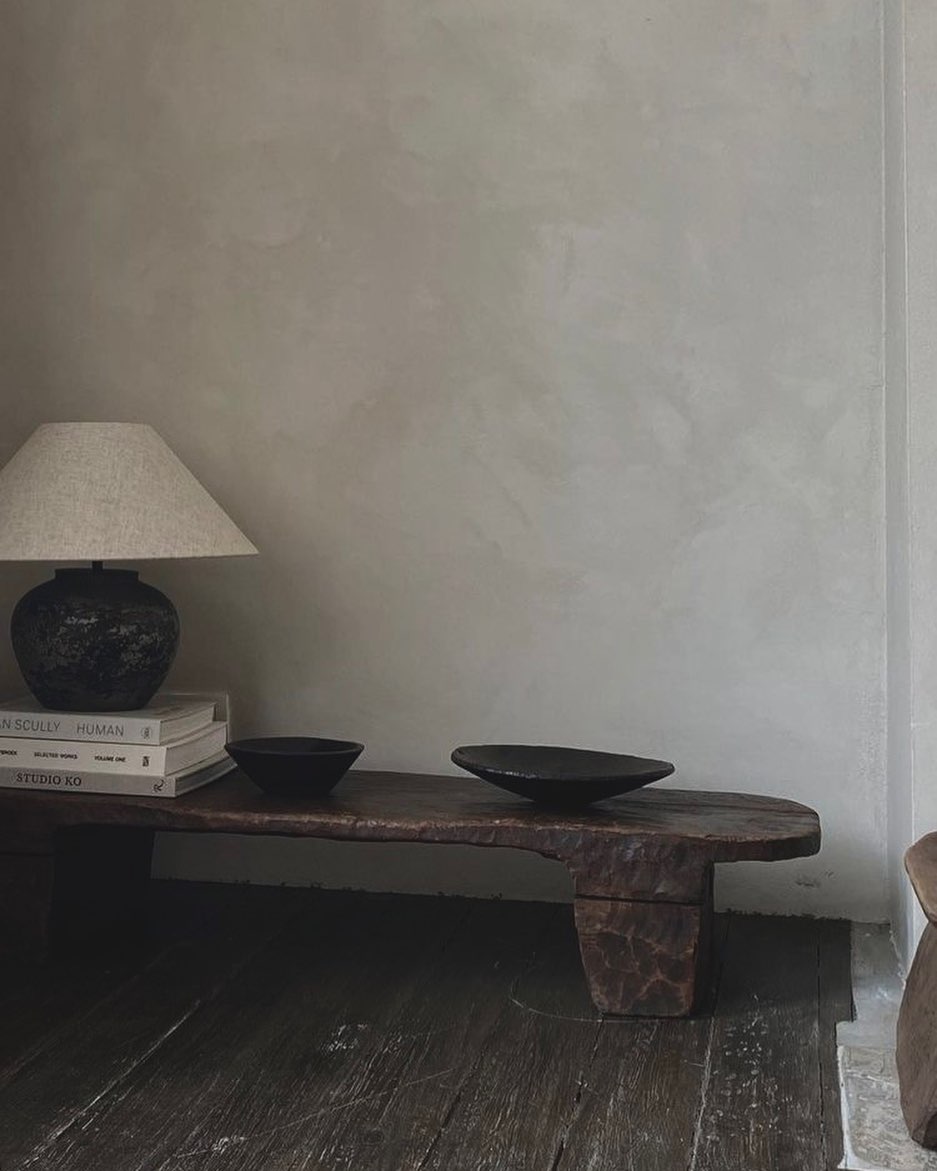
Wabi-Sabi aims to create an atmosphere of calm and reflection. The space is designed to be a place for reflection and a break from the hectic everyday life.
Ochossäta, meaning ‘almost out of sight’, is a principle of Wabi-Sabi that emphasizes leaving something to the imagination and not revealing everything at once. It can be applied by hiding or concealing parts of the decor to create a sense of mystery and curiosity.
The Wabi-Sabi interior design style appeals to those who appreciate the beauty of the simple, the natural and the imperfect. It is an aesthetic that celebrates the wisdom of ageing and the vicissitudes of nature. By embracing imperfection and what is subtle, Wabi-Sabi interior design creates a sense of calm and harmony in the home.
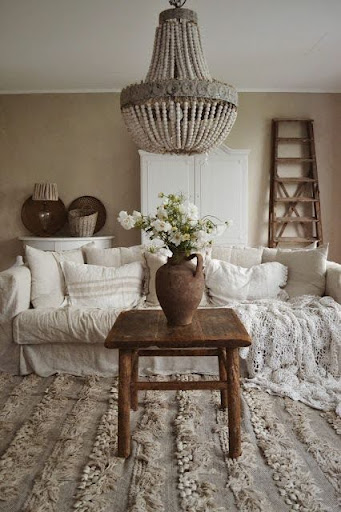
Country interior style
Country style, also known as country chic or shabby chic, is a charming and romantic interior design style that draws inspiration from rural settings, farmhouses and vintage aesthetics. This style has become popular for its relaxed and inviting atmosphere, as well as its ability to blend old and new in a harmonious way.
Rustic interior design emphasizes the use of natural and aged materials. Wood, stone, cotton, linen and rattan are common material choices that give a rustic and authentic feel. Furniture in rural interiors often has a distressed or worn look. Painted furniture may be partially scuffed to give a sense of age and charm. The color palette is dominated by soft and muted colors such as white, beige, pastels and light shades of blue and green. These colors create an airy and romantic atmosphere.
Floral patterns on fabrics such as curtains, cushions and bedding are characteristic of the style. Fabrics that have a slightly worn look are used to reinforce the rural feel.
Vintage finds such as old clocks, mirrors, frames and porcelain are used to add character and history to the space. These details add a personal touch. Reuse is an important aspect of country-style interior design. Furniture and objects can be refurbished, repainted or decorated to suit the style. Antique or vintage furniture is common in country decor. They can be heirlooms or finds from flea markets and antique shops.
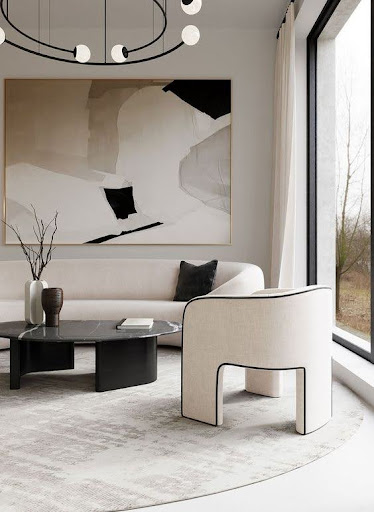
Modern interior style
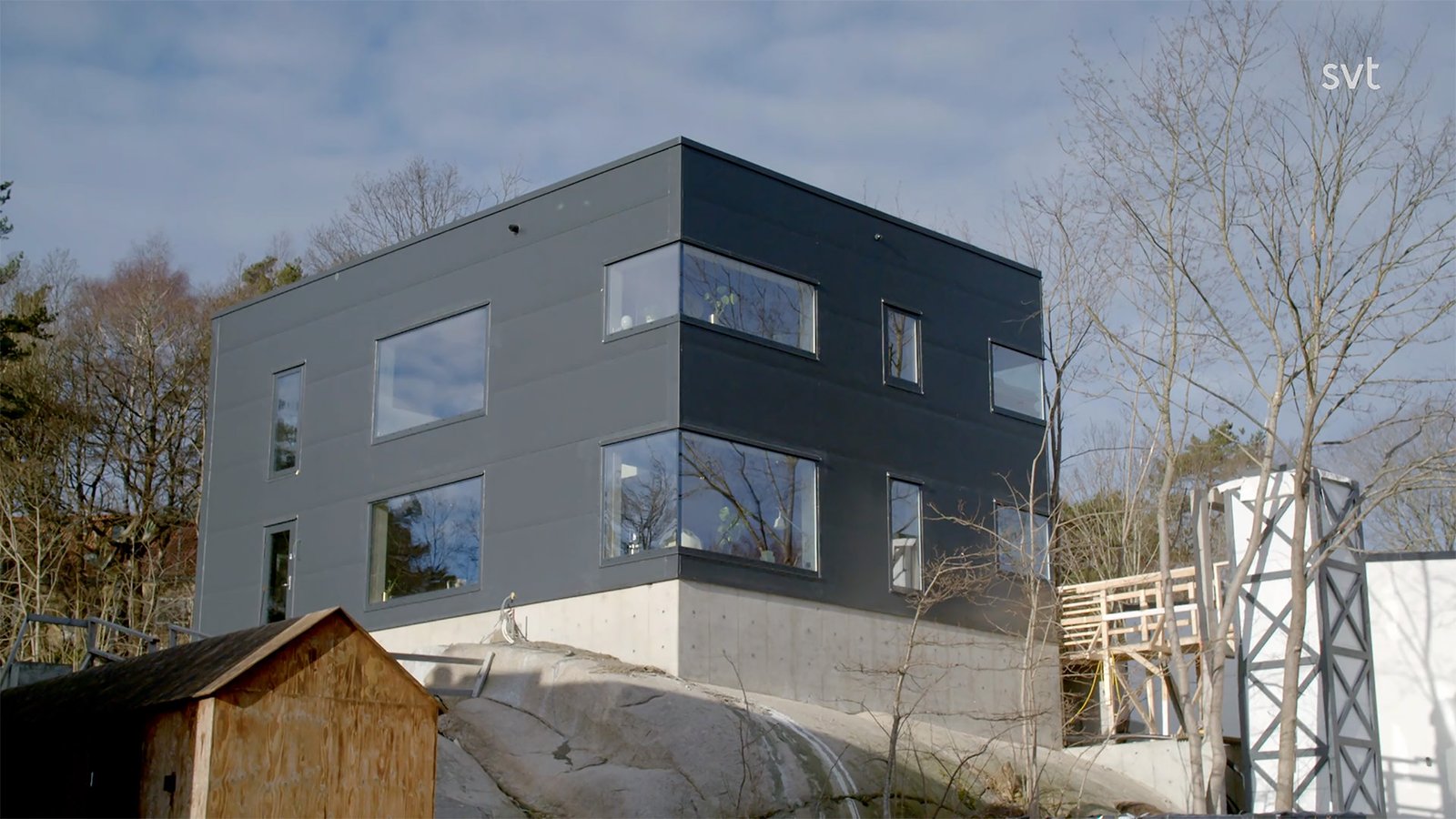
Modern interior design is characterized by minimalism and simplicity. Room spaces are often clean and airy, with few distractions and superfluous decorations. The color palette in modern interiors tends to be neutral, often straying away from bright colors. Grey, white, black and beige are common choices, but sometimes accent colors can be included as a contrast. Materials such as glass, metal and concrete are often used. Smooth surfaces and clean lines are typical, creating a sense of purity and modernity.
Furniture in modern interiors is functional and minimalist. The furniture often has smooth surfaces and clean lines.
The focus is on functionality rather than excessive decoration. Modern interior design favors open floor plans that create a sense of space and flow between different rooms. This concept also promotes social interaction and allows light to flow freely through the rooms.
Light is an important part of modern interior design. Large windows and openings are used to maximize the amount of natural light entering the rooms. Decorations are often sparse and well thought out.

Artwork or decorative objects can be abstract or geometric in nature to fit the modern aesthetic.
Modern interior design often embraces new technology. It can include smart home solutions, integrated lighting and modern appliances that blend into the overall design. Despite its minimalist nature, modern interior design can include natural elements such as green plants or natural materials like wood to soften the look and create balance. Contrasting elements and geometric shapes can be used to create visual interest and movement in the room.